Cracked Walls, Unbroken Fighters: The Urban Dojo That Gentrification Couldn't Kill

Cracked Walls, Unbroken Fighters: The Urban Dojo That Gentrification Couldn't Kill
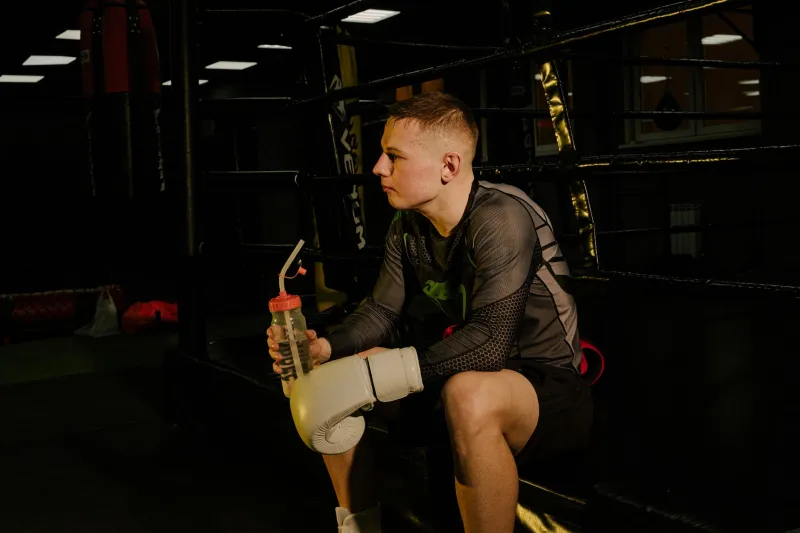
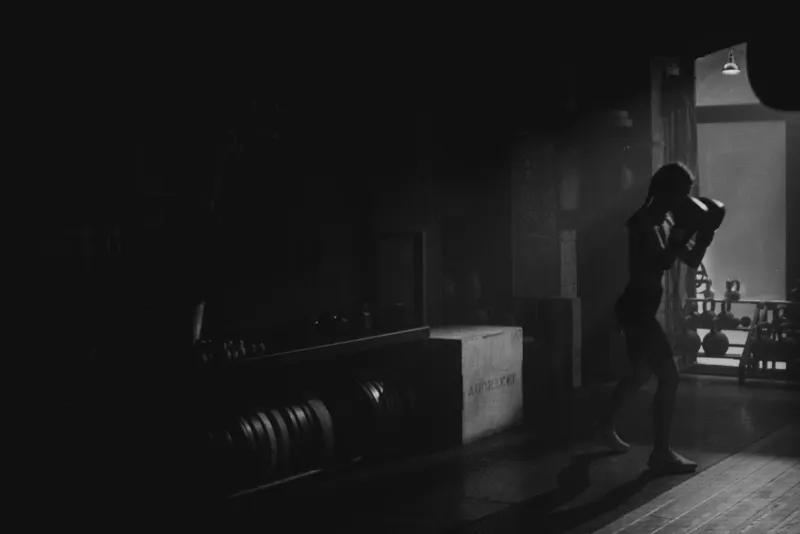
The front door doesn't close all the way. It never has. A strip of electrical tape holds the lock plate to the frame, and the buzzer that's supposed to announce visitors gave up sometime around 2019. Walk in unannounced and you'll catch a dozen fighters mid-round — eyes sharp, breath controlled, completely unbothered by your presence. Nobody here startles easy.
This is Irongate Fight Club, tucked into the ground floor of a decaying commercial strip in a neighborhood that's been "up and coming" for going on fifteen years. The coffee shops have arrived. The rent has tripled. The original families are mostly gone. But Irongate is still here, still sweating through the same cracked walls, still producing fighters who show up to regional and national tournaments and quietly dismantle people who trained in facilities that cost ten times as much.
A Place That Wasn't Supposed to Survive
Head coach Marcus Teel took over the gym eight years ago under circumstances nobody would have chosen. His mentor, a former Golden Gloves competitor named Darnell Crews, died of a heart attack on a Tuesday morning while running drills with the junior class. Crews had run Irongate for twenty-two years. He owned the equipment, held the lease agreements in his head, and had handshake deals with half the landlords and vendors keeping the place functional. When he died, so did the institutional knowledge that held everything together.
"I was twenty-nine," Teel says, not looking up from the focus mitts he's wrapping. "I didn't know what I was doing. I just knew I wasn't going to be the one who locked the doors."
What followed was two years of organized chaos. Teel learned the lease terms by calling the landlord directly. He figured out equipment repair through YouTube and stubbornness. He kept the junior program running on donations and a payment structure so flexible it barely qualified as one. Fighters who'd already aged out of competition came back to coach for free. The community, the one that hadn't been priced out yet, showed up.
The Poverty Dividend
Here's the thing about gyms that can't afford to be comfortable: they accidentally build something money can't replicate.
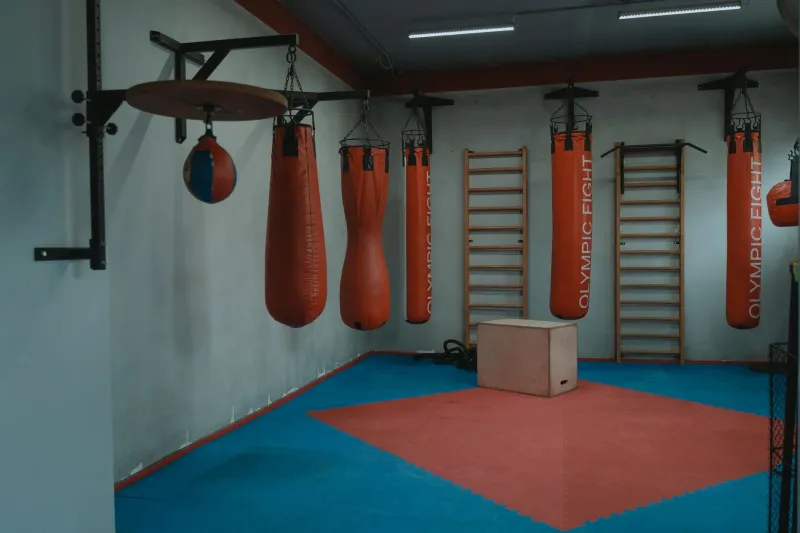
Irongate has no climate control worth mentioning. Summer training happens in 95-degree heat with two box fans moving the air around without actually cooling anything. The mats are mismatched. The heavy bags are wrapped in duct tape at the seams. There's one speed bag platform and fighters rotate on it like it's a shared resource in a prison yard — because in a way, it is.
And the fighters this place produces are mean. Not dirty, not undisciplined — mean in the way that matters, which is that they are completely comfortable with suffering. They've been uncomfortable the whole time. A well-air-conditioned arena with a proper ring and a cheering crowd? That's a vacation compared to August at Irongate.
"Kids who train here don't panic when things get hard," says assistant coach Priya Okonkwo, who drove forty minutes across the city for six years before she stopped counting. "Hard is just Tuesday. Hard is just the gym."
That edge shows up on the scorecards. In the last four years, Irongate fighters have placed in the top three at state-level competitions across three different combat disciplines — boxing, Muay Thai, and submission grappling. Three fighters have gone on to professional contracts. Two more are currently competing at the amateur elite level with professional eyes on them.
What They Turned Down
It would be easy to frame Irongate's story as pure survival against the odds. But there's a more complicated truth underneath it: the gym has had opportunities to change, and it has deliberately refused them.
Teel was approached twice by franchise fitness concepts looking to absorb the space and rebrand it. Both times, he walked away from deals that would have paid him personally and kept the physical location open. The catch was always the same — the programming would shift toward general fitness, the competition focus would soften, and the community membership structure would be replaced with standard tiered pricing.
"They wanted the address," Teel says flatly. "They wanted to say they were in this neighborhood. They didn't want us."
He's also turned down sponsorship arrangements that came with strings attached — equipment deals contingent on logo placement and social media volume, a documentary interest that wanted to frame the gym as a poverty-tourism narrative. Teel has a clear sense of what Irongate is and what it isn't, and he's protective of that identity in a way that's cost him real money.
"We're not a story," he says. "We're a gym."
The Fighters Who Stay
Jordan Vásquez has been training at Irongate since he was eleven. He's twenty-four now, a Muay Thai competitor with a 17-4 record and a left kick that coaches at other gyms quietly warn their fighters about. He's been offered spots at better-equipped facilities twice — once by a well-funded gym across town, once by a team connected to a regional promoter.
He didn't go.
"I know what made me," he says, sitting on a folding chair near the entrance, unwrapping his hands after a two-hour session. "You don't just walk away from what made you."
That sentiment echoes through the gym's culture in ways that are hard to quantify but impossible to miss. Fighters who move on to professional careers come back to run seminars. Former members who've left the neighborhood still show up on weekends. There's a lineage here, an unbroken chain of people who were shaped by this place and feel obligated to pass that shaping forward.
Darnell Crews' photo hangs near the door. Not framed, not mounted — taped to the wall at eye level, slightly crooked, the way you'd pin up something you want to see every single day without making a production of it.
What Irongate Actually Is
Every city has a version of this place, or had one before the rents came for it. A gym that exists not because the economics make sense but because the people inside it refuse to accept any other outcome. A place where the training is hard because life is hard, and nobody pretends otherwise.
What makes Irongate unusual isn't that it survived. It's that it survived intact — without compromising the thing that made it worth saving in the first place.
The door still doesn't close all the way. The buzzer is still dead. Walk in unannounced and you'll catch a dozen fighters mid-round, completely unbothered.
They've got work to do.