Back in the Fight: How Combat Vets Are Finding Peace Inside the Ring
There's a particular kind of silence that follows a veteran home. It doesn't announce itself. It just settles in — between conversations, behind the eyes, at three in the morning when the rest of the house is asleep. Traditional medicine has spent decades trying to fill that silence with prescriptions and talk sessions. For a growing number of combat veterans across the United States, the answer has been something far more primal: putting on gloves and stepping into the ring.
These aren't underground brawls. They aren't desperate men chasing adrenaline to feel something again — though that narrative gets thrown around plenty. What's actually happening is more nuanced, more structured, and in the eyes of the veterans living it, more effective than almost anything the VA has handed them.
When the Clinic Isn't Enough
Ask any combat vet who's cycled through the standard PTSD treatment pipeline and you'll hear a familiar story. Group therapy that feels disconnected from the actual experience of war. Medications that dull the edges but leave the core of the problem untouched. A well-meaning counselor who has never once heard a shot fired in anger trying to guide someone through the fog of Fallujah or Kandahar.
The frustration isn't with the intention. It's with the fit.
"They'd have me sitting in a circle talking about my feelings," says one Marine Corps veteran who now trains at a veteran-focused boxing program in the Pacific Northwest. "I'm not built that way. None of us are. We were trained to move, to act, to handle problems with our bodies. Sitting still and talking about it made everything worse."
That sentiment is echoed in gyms from Texas to Tennessee, from Ohio to Southern California. Veterans who struggled to articulate their trauma in clinical settings found something unlocked when they started training. The discipline of learning to throw a proper jab. The rhythm of footwork. The full-body exhaustion at the end of a hard sparring session that, for once, made sleep feel possible.
The Gyms Nobody Talks About
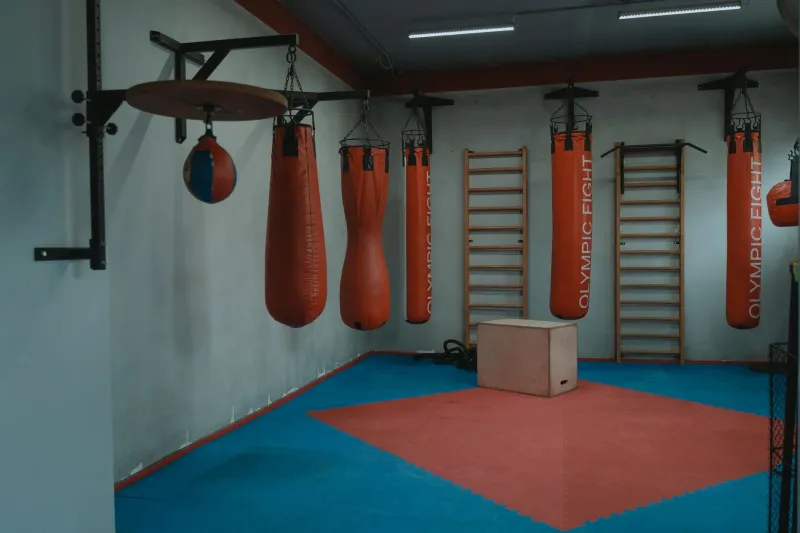
These programs operate largely off the public radar, which is part of what makes them work. There's no spotlight, no cameras looking for a redemption arc, no nonprofit branding plastered across every surface. Just mats, heavy bags, and people who understand each other without needing to explain themselves.
One such program, operating out of a converted warehouse in the outskirts of a mid-size Midwestern city, runs weekly training sessions for veterans at no cost. The man who built it — a former Army Ranger with two combat deployments — started it after losing two friends to suicide in the same calendar year. He didn't set out to create a therapy program. He just knew that training had kept him sane, and he wanted to share that.
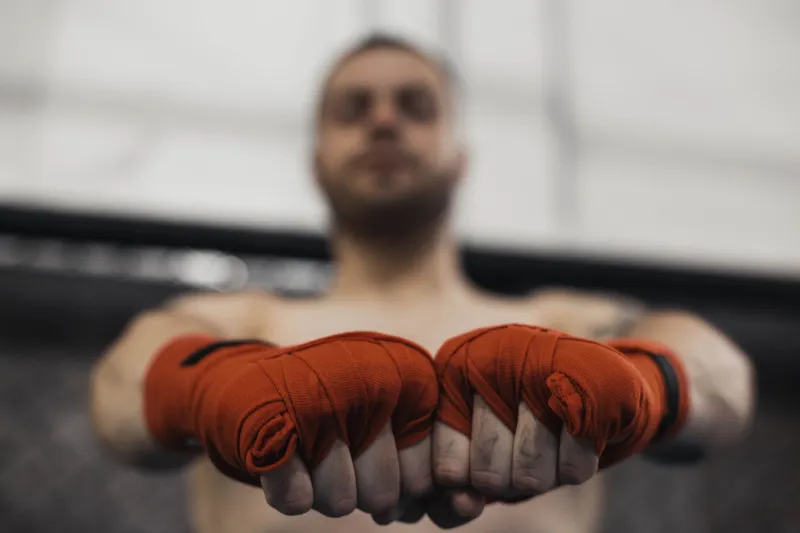
"I'm not a therapist and I don't pretend to be," he says, wrapping his hands before a session. "But I know what it feels like to be in a room full of guys who get it without you having to say a word. That's what we're building here."
The structure varies from program to program. Some focus on boxing. Others incorporate wrestling, Brazilian jiu-jitsu, or Muay Thai. A handful blend multiple disciplines into a kind of functional combat fitness that mirrors the physicality of military training without the hierarchy or pressure. What they share is intentionality — these aren't random pickup sessions. They're designed environments where controlled confrontation becomes a vehicle for something deeper.
Why Fighting Works When Talking Doesn't
The psychology here isn't mysterious, even if it's rarely discussed in clinical literature. Combat veterans often carry trauma that is stored physically — in the nervous system, in the body's threat-response wiring, in patterns of hypervigilance that don't just switch off when the deployment ends. Conventional talk therapy addresses the mind. It doesn't always reach the body.
Sparring does.
When a veteran steps into a ring with a training partner, the nervous system activates in ways that mirror combat stress — elevated heart rate, heightened awareness, the demand for split-second decision-making. But this time, there's a framework. Rules. A partner who isn't trying to actually hurt you. An end point. The experience trains the body to move through that activation and come out the other side intact, which over time can recalibrate the hair-trigger threat response that makes civilian life feel so disorienting.
Several sports psychologists and trauma-informed practitioners have begun acknowledging this dynamic, though formal research is still catching up to what veterans have been figuring out on their own for years. The concept of somatic processing — addressing trauma through physical experience rather than verbal narrative — aligns closely with what these fight programs have been doing intuitively.
Brotherhood Without the Bureaucracy
Beyond the neuroscience, there's something simpler and equally powerful at work: belonging.
One of the most consistent threads running through veteran accounts of these programs is the sense of community they provide. The military creates bonds forged under extreme conditions. Civilian life, for all its comforts, rarely replicates that depth of connection. Veterans describe feeling profoundly alone even in crowded rooms — until they found a gym where the person across from them understood the weight they were carrying.
"I don't have to explain myself here," says a Navy veteran who trains at a jiu-jitsu program in the Southeast. "We all came from somewhere hard. We don't have to talk about it. We just show up and put in the work together. That's enough."
That shared silence — productive, purposeful, mutual — is its own form of healing. The lost fist finds its grip again, not necessarily by throwing punches, but by being surrounded by people who know what it cost to throw them in the first place.
A Movement Without a Manifesto
Nobody is coordinating this from a national headquarters. There's no unified brand, no celebrity spokesperson, no viral fundraising campaign. These programs exist because individual veterans decided to build something real instead of waiting for a system to build it for them.
That grassroots quality is a feature, not a bug. Veterans who've grown skeptical of institutions — with good reason — trust something that was built by and for people like them, with no agenda beyond keeping each other upright.
If you're a veteran looking for something like this, the best path is usually through word of mouth. Ask around at your local gym. Check veteran community boards. Reach out to organizations like Team Red White & Blue or the Mission 22 network, which sometimes have connections to training programs in your area. And if you can't find one — well, more than a few of these programs started with one guy, a bag, and a borrowed space.
The ring doesn't fix everything. Nobody here is claiming it does. But for a lot of warriors who came home carrying something they couldn't name, stepping back into the fight — on their own terms, with people who understand — has been the closest thing to peace they've found.
Sometimes you heal by going back to what you know. Sometimes the last rounds are the ones that matter most.