Gone Dark: The Secret Training Camps Where America's Fighters Disappear — and Come Back Different
Gone Dark: The Secret Training Camps Where America's Fighters Disappear — and Come Back Different
There's a fighter out of Albuquerque — nobody's using his name here, that's part of the deal — who went completely off the grid for eleven weeks before a major regional title bout two years ago. No social media. No check-ins at his regular gym. His training partners assumed he'd gotten injured, maybe burned out. When he showed back up, leaner and somehow quieter, he knocked out a guy who had beaten him twice before. Clean. First round.
When people asked where he'd been, he smiled and said, "Somewhere I needed to go."
That's usually how these stories start.
The Network Nobody Officially Talks About
Across the United States — in converted barns in rural Tennessee, in repurposed warehouses outside of Fresno, in basement setups in South Chicago that don't show up on any gym directory — there exists a loose but very real network of what insiders call "dark camps." The name isn't dramatic for the sake of it. These are training environments that operate entirely outside the mainstream combat sports ecosystem. No sponsors. No media access. No walk-in memberships.
You don't find them. They find you.
According to multiple fighters and coaches who spoke with Lost Fist on the condition of anonymity, entry into these circles is almost always through a direct referral from someone already inside. A veteran coach vouches for you. A respected fighter passes your name along. Sometimes it's as simple as being noticed at a regional event by someone who was watching for the right reasons.
"It's not a secret society," said one coach who has run a dark camp in the Pacific Northwest for nearly a decade. "It's just people who are serious about the work and tired of the noise. We don't need cameras. We don't need clout. We need people who want to get better more than they want to look like they're getting better."
What Happens Inside
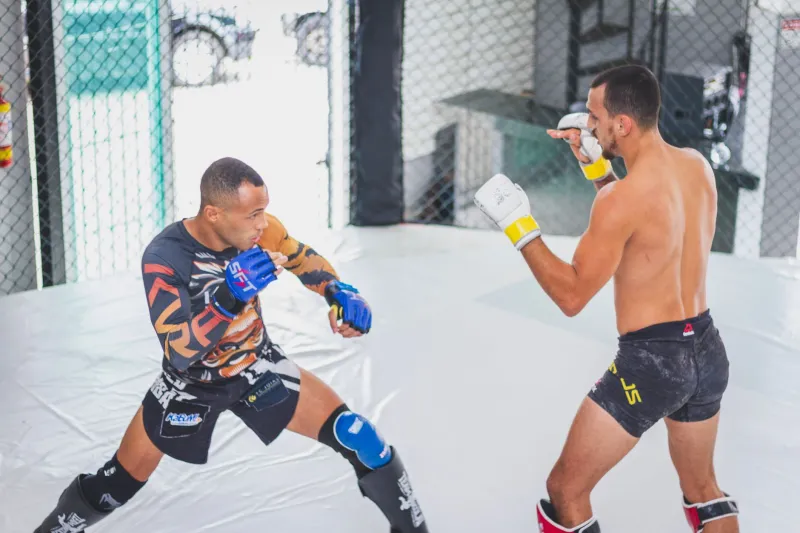
The methods vary by camp, but certain threads run through nearly every account. Long, unstructured training blocks that push past normal physical limits. Sparring sessions that go well beyond what most sanctioned gyms would allow in terms of intensity and duration. Unconventional conditioning work — heavy labor, cold exposure, sleep deprivation protocols — borrowed from military training models and old-school athletic traditions that have largely fallen out of favor in the age of sports science apps and recovery podcasts.
One fighter described a two-week stretch where the camp ran on a completely inverted schedule — training from midnight to dawn, sleeping during the day — as a deliberate attempt to strip away the mental comfort of routine. "By the end of it, you stop waiting for normal," he said. "You just operate. That's the whole point."
Some camps incorporate elements drawn from martial arts traditions that don't get much mainstream airtime — older grappling systems, obscure striking arts, training philosophies rooted in pre-modern combat preparation. The goal isn't novelty. It's finding the gaps in a fighter's game that conventional training never surfaces because conventional training never creates the right kind of pressure.
"Most gyms train you to perform," said one veteran who has attended camps in three different states. "These places train you to survive. There's a difference, and your body knows it."
The Psychology of Disappearing
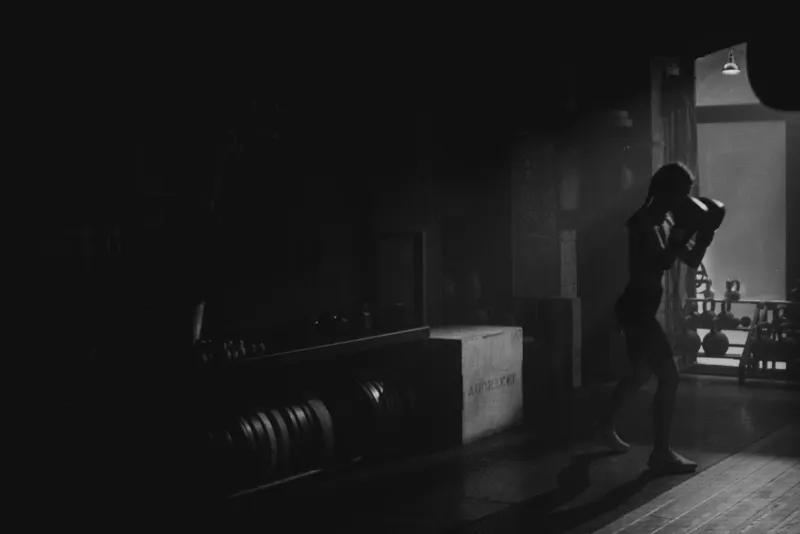
There's something else these camps do that might matter just as much as the physical work — they force isolation. No coaches cheering from the corner of a familiar gym. No training partners who know your habits. No crowd to perform for. Just the work, the discomfort, and whatever you're made of underneath the routine.
Sports psychologists who study elite combat athletes — though none interviewed here had direct knowledge of these specific camps — have long noted that identity disruption can be a powerful catalyst for performance breakthroughs. When you remove a fighter from their usual environment and support structure, you expose the parts of their mental game that were being quietly propped up by familiarity.
Fighters who've come out the other side describe something close to a reset. Old fears that used to show up mid-fight just... stopped showing up. Not because they were trained away in any conventional sense, but because the camp experience recalibrated what counted as genuinely threatening.
"I got so comfortable being uncomfortable," said one fighter from the Midwest who spent six weeks at a camp he refused to geographically specify. "By the time I got back to a real fight, it almost felt easy. Not because the opponent was weak — he wasn't. But because I'd already been somewhere harder."
The Cost of Going Dark
It's worth being honest about the other side of this. Not every fighter who enters one of these camps comes out transformed in a good way. Some come out injured. Some come out mentally rattled in ways that take longer to heal than a bruised rib. The absence of oversight that makes these camps powerful also makes them dangerous, and the culture of silence around them means there's no accountability when something goes wrong.
At least two fighters interviewed for this piece mentioned watching training partners get pushed past a legitimate breaking point, with no one in the room empowered — or willing — to call it.
"There's a version of this that's genuinely valuable," one coach acknowledged. "And there's a version that's just guys with authority issues running a controlled environment and calling it enlightenment. You better know which one you're walking into."
The line between transformative and reckless is thin, and in the dark, it's easy to miss.
Why Fighters Keep Going
Despite the risks, the pull of these camps doesn't seem to be fading. If anything, fighters who've come up in the era of over-documented, over-analyzed, over-branded combat sports seem increasingly hungry for something rawer. Something that belongs entirely to them.
In a world where every training session is a potential content opportunity and every gym has a logo waiting to go on a t-shirt, the idea of disappearing somewhere that nobody can find you — and coming back changed — carries a weight that's hard to put a dollar value on.
The fighter from Albuquerque still won't say where he went. He doesn't post about it. He doesn't hint at it. But if you watch him fight now, you notice something different in how he carries himself in the late rounds, when other guys start to fade.
He looks like someone who's already been somewhere worse.
And made it back.