Stepping Out at the Top: The Fighters Who Chose Life Over the Belt — and Never Looked Back

There's a version of a fighter's story everyone knows. The highlight reel. The knockouts. The raised fist under the arena lights. But there's another version — quieter, harder to package — where the warrior walks to the exit on their own two feet, completely intact, and never comes back. No dramatic farewell press conference. No comeback tour. Just a decision made in private that most people around them couldn't understand.
These are the fighters who chose themselves.
The Moment Nobody Talks About
In combat sports culture, retirement is almost always framed as something that happens to a fighter. A knockout loss. A string of defeats. A body that finally says no. The narrative machine doesn't have a great template for the athlete who looks at a promising career — real momentum, real opportunity — and quietly decides it's enough.
But those people exist. More than you'd think.
Take the story of Marcus Webb, a regional MMA standout from Columbus, Ohio, who went 11-1 in his late twenties and had legitimate interest from a major promotion. By every external measure, he was on the verge. Then his daughter was born with a heart condition requiring multiple surgeries, and Webb walked away from his fight camp without a second thought. He hasn't stepped in a cage since.
"People kept waiting for me to say I regretted it," Webb told us. "Like I was supposed to be heartbroken. But I wasn't fighting to be famous. I was fighting because I loved it. And I love my kid more. It was actually a pretty easy call."
That clarity — that lack of tortured ambivalence — is something you hear again and again from fighters who left on their own terms.
When the Body Speaks First
For others, the decision gets pushed forward by injury, but the choice to stay gone is entirely their own.
Samantha Ruiz was a decorated Muay Thai competitor out of San Antonio with a regional title and a reputation for technical striking that coaches twice her age respected. At 26, she tore her ACL during sparring — a brutal but manageable setback for someone with her skill level. She rehabbed it. She came back to light training. And then she stopped.
"I realized during recovery that I was dreading going back," Ruiz explains. "Not because of the injury. Because something had already shifted in me. The fire was just... different. And I wasn't willing to give everything this sport demands when the fire is different. That felt disrespectful to the craft."
She now runs a small yoga and mobility studio in her neighborhood. She still trains, still hits pads occasionally. But she competes in nothing. She says she's never been more at peace with a decision in her life.
What the Record Doesn't Capture
Here's the uncomfortable truth that combat sports culture doesn't love to sit with: a win-loss record is a brutally incomplete document. It tells you what happened in sanctioned competition. It says nothing about the hours logged, the relationships built, the version of yourself you forged through years of voluntary suffering.
Robert "Brick" Holloway was a heavyweight boxer from Detroit who went pro at 22 and compiled a solid regional record before a quiet conversation with his father — himself a former amateur boxer — changed everything. His dad was dealing with early-stage CTE symptoms. Nothing confirmed, nothing dramatic, but enough to make Brick think hard about the long math.
"My dad was sharp as a tack in every other way," Brick says. "But I'd watch him search for words sometimes. Watch him lose a sentence mid-thought. And I thought, I'm 26. I've got a good record. I've got my mind. What am I trying to prove, and to who?"
He retired that year. Went back to school. Became a high school history teacher in his old neighborhood. He still coaches youth boxing on weekends and says the gym has never felt more meaningful.
Rewriting What a Legend Looks Like
The word "legend" gets thrown around constantly in combat sports. It's usually attached to longevity, to title reigns, to the fighters who kept going long past the point of wisdom. But there's a growing conversation — especially among coaches and longtime martial arts practitioners — about whether that framing is doing fighters any favors.
"The legends we celebrate are often the ones who gave the most to the sport," says one longtime jiu-jitsu coach who asked to remain unnamed. "But sometimes giving the most means giving too much. I've seen guys stay too long because they didn't know who they were outside the gym. That's not a legend. That's a cautionary tale."
The fighters who walk away with intention — with a clear sense of what they built and why they're choosing something else — are doing something that requires its own brand of courage. There's no crowd cheering for that decision. No belt awarded for self-awareness.
The Quiet Win
Marcus Webb coaches youth wrestling now. Samantha Ruiz has a waiting list at her studio. Brick Holloway's students recently surprised him with a signed jersey at a school assembly.
None of them are famous. None of them have highlight reels that rack up views. But ask them whether they feel like they won, and the answer is immediate.
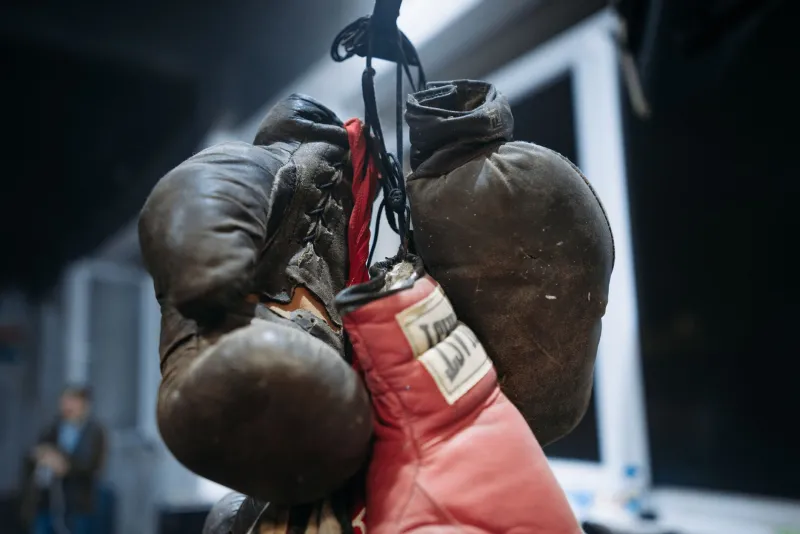
The lost fist, it turns out, sometimes belongs to the fighter who knew exactly when to open their hand.
In a world that keeps score obsessively, choosing your own definition of success might be the hardest — and most powerful — thing a warrior ever does.